In June 2026, the CEC brought together representatives of the European institutions, members of its network, and organisations working across social inclusion, education, employment, migration and poverty reduction.
The discussions focused on three key priorities for the network: the future of the Erasmus+ programme beyond 2027, the European strategy to combat poverty, and the future of the European Social Fund Plus (ESF+) under the EU’s next long-term budget. Participants also discussed the importance of ensuring stable and accessible European funding to support social inclusion and the organisations working on the ground.
Erasmus+ beyond 2027: strengthening inclusion and accessibility
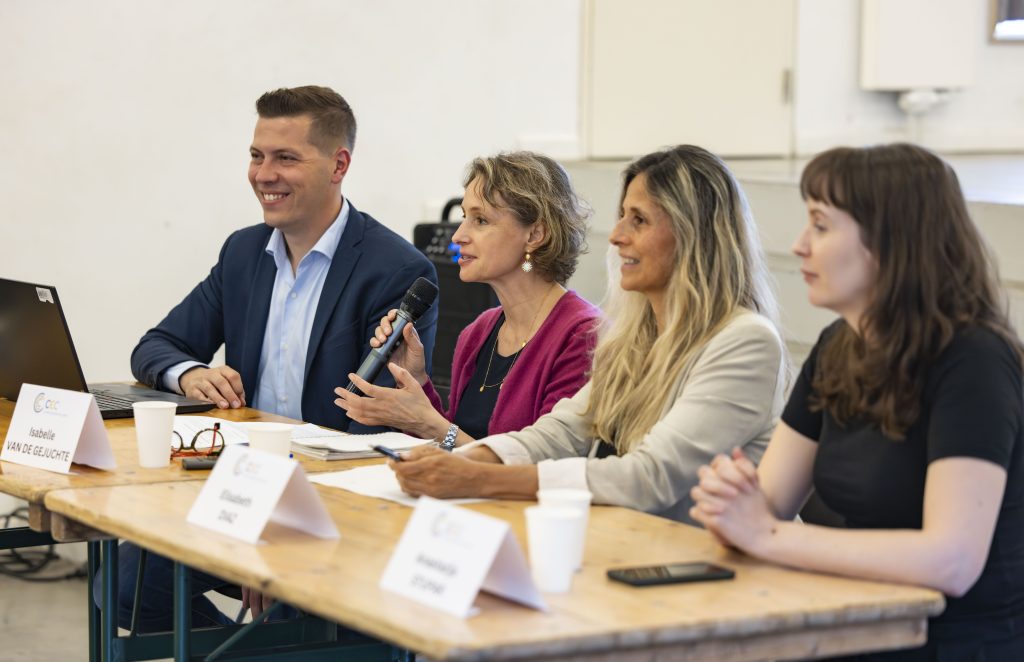
Discussions with DG EAC focused in particular on the European Commission’s proposal for the future Erasmus+ programme. The proposal includes a budget of around €41 billion, representing a significant increase compared with the current programme.
Mobility is expected to remain at the heart of Erasmus+, alongside cooperation projects, volunteering, solidarity actions and support for policy development. The proposal also foresees integrating the European Solidarity Corps into Erasmus+ and strengthening synergies with other EU funding instruments.
Inclusion and diversity remain key priorities. The Commission is considering stronger support for participants with fewer opportunities, while also recognising the additional resources required by organisations working with vulnerable groups before, during and after mobility activities.
Improving access to funding for smaller organisations was another important topic. Among the proposals under consideration is a reduction in the minimum grant size for small-scale partnerships, which could make it easier for grassroots organisations to participate in the programme. Participants also stressed the importance of better recognising the wider impact of Erasmus+ projects — including outcomes that may go beyond the objectives initially set. These can include increased self-confidence, the creation of new partnerships, social reintegration and the development of new initiatives.
Towards a new European strategy to combat poverty
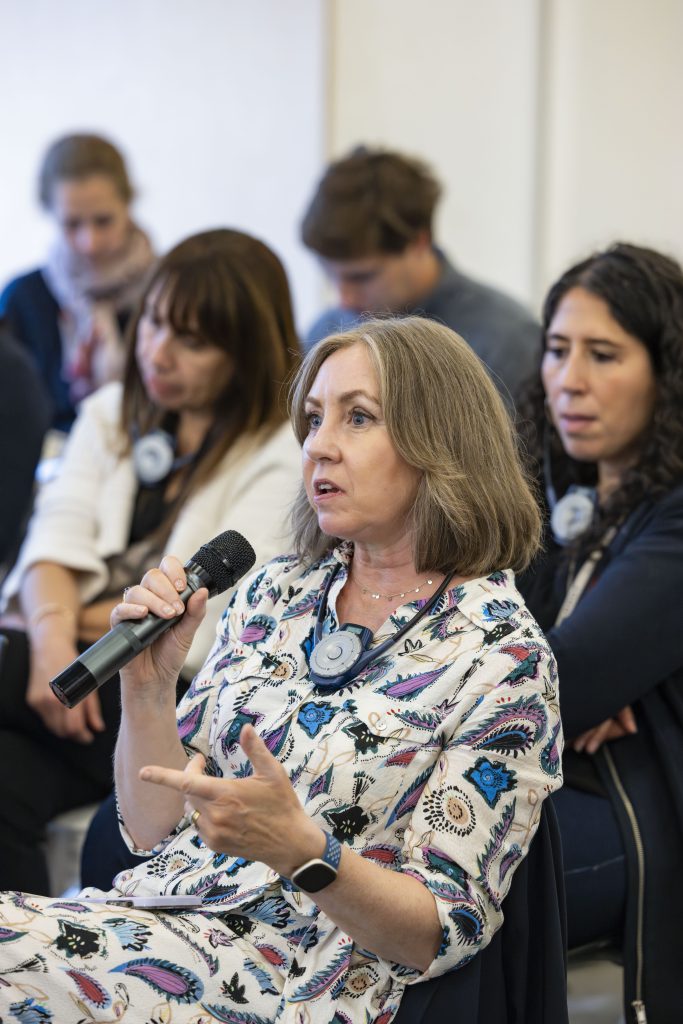
The second major session focused on the future European strategy to combat poverty, presented by DG EMPL.
Discussions highlighted the importance of taking a multidimensional approach to poverty. Poverty is not only a question of income: it is closely linked to access to employment, education, skills, housing, healthcare and social services. The proposed strategy therefore adopts an active inclusion approach and takes a life-course perspective.
Child poverty, access to essential services and the European Child Guarantee are also among the key priorities. Housing emerged as another major concern, with attention extending beyond homelessness to housing insecurity and the difficulties many people face in accessing stable and adequate housing.
The future Anti-Poverty Coalition was also presented as a way to strengthen cooperation between public authorities, civil society, the social economy, businesses, foundations and other stakeholders. One of its objectives will be to identify effective practices developed at local level and support their dissemination and scaling-up.
Measuring inclusion beyond employment
Another strong message from the discussions concerned how the outcomes of inclusion policies are assessed.
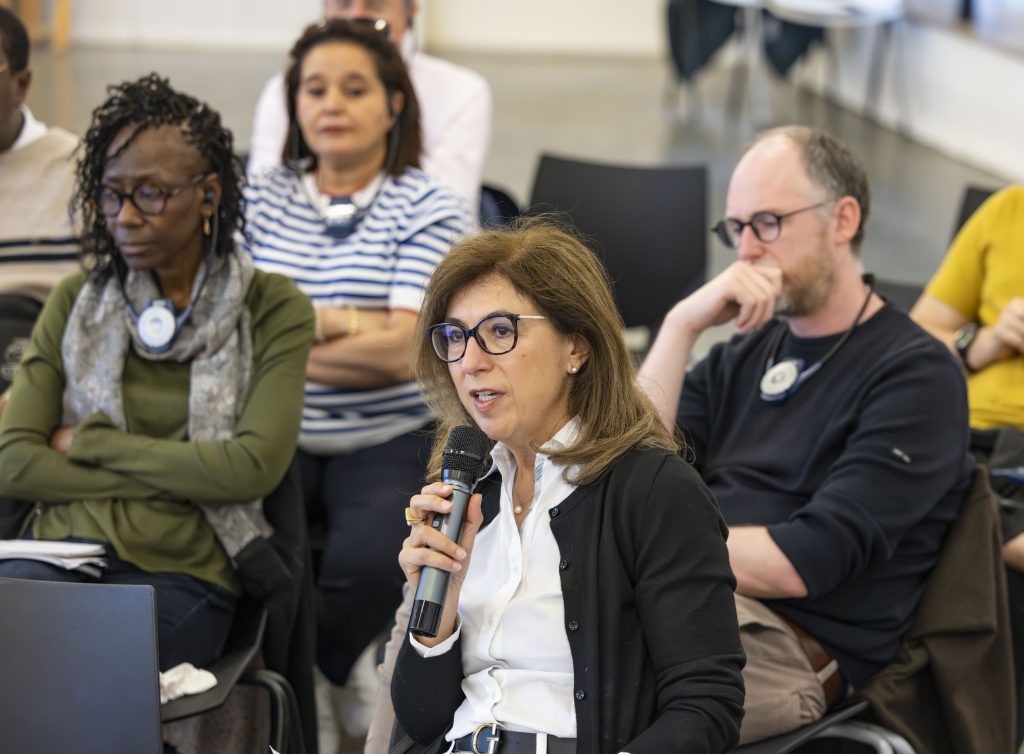
Participants emphasised that employment cannot be the only measure of success. For people facing multiple and complex barriers, progress may also mean greater stability, access to training, improved guidance and support, increased self-confidence or the rebuilding of social connections.
This reality requires individualised, long-term support that takes into account the different dimensions of people’s circumstances, including housing, health, family situation, debt and administrative procedures.
Participants therefore called for indicators and funding mechanisms to better reflect the complexity of inclusion pathways, rather than focusing solely on immediate employment outcomes.
Protecting a strong and autonomous ESF+
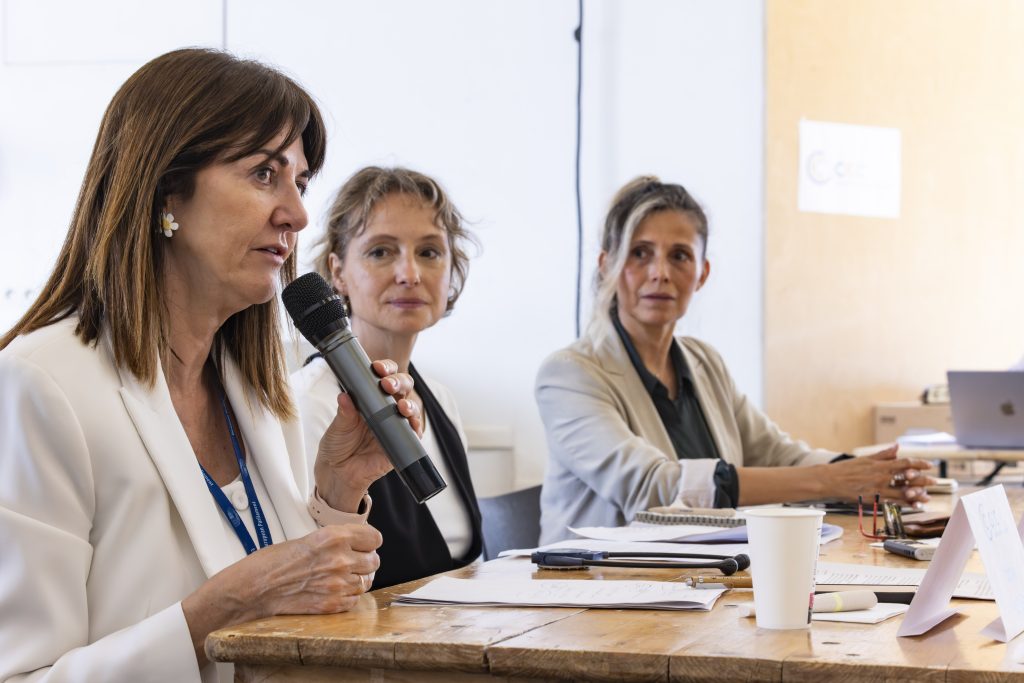
The future of the European Social Fund Plus (ESF+) was discussed with MEP Idoia Mendia.
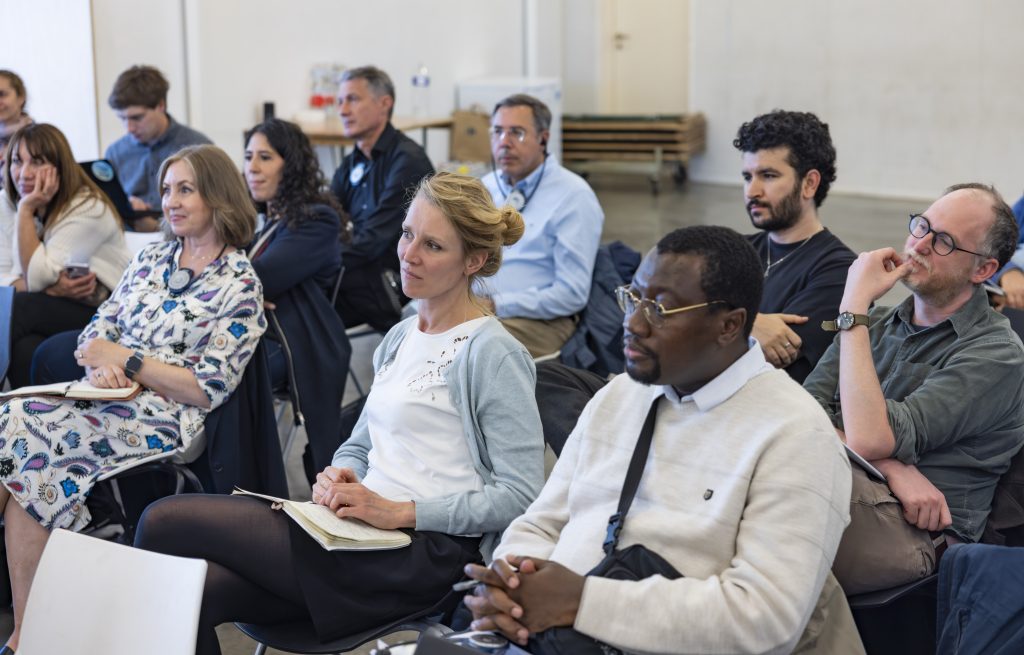
Participants examined the Commission’s proposal to integrate ESF+ into national and regional partnership plans. Concerns were raised about the risk that social funding could become less predictable and increasingly dependent on national priorities.
Maintaining a strong and autonomous ESF+, with a dedicated budget for employment, social inclusion and poverty reduction, was seen as essential to ensuring long-term social investment.
The experiences shared by participants also highlighted the importance of stable European funding in enabling local authorities and civil society organisations to develop sustainable partnerships and provide long-term support to people.
In this context, Erasmus+ and ESF+ were seen as complementary instruments: Erasmus+ supports learning, exchange and innovation, while ESF+ helps roll out and sustain initiatives that have demonstrated their effectiveness.
Strengthening the dialogue between Europe and the field
The final session focused on advocacy priorities and the need to strengthen links between grassroots organisations and European decision-making processes.
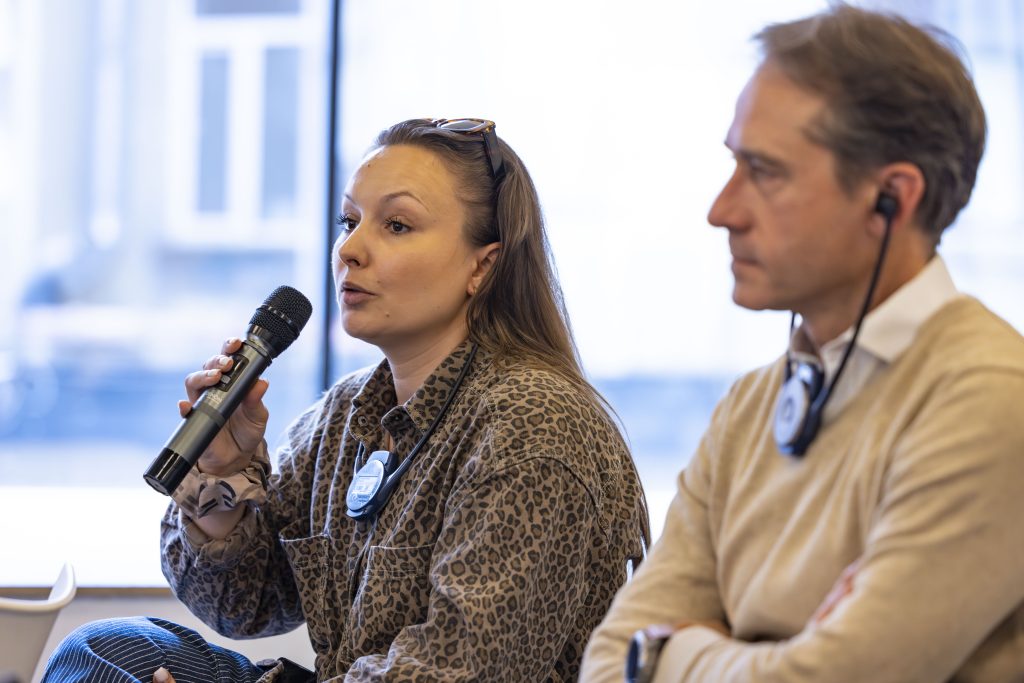
The CEC plays an important role in this dynamic by bringing the concerns and expertise of its members to the attention of the European institutions. Participants nevertheless stressed that this dialogue must also be rooted in local, regional and national networks.
The two days of discussions highlighted several shared priorities: the need for stable and accessible European funding, greater recognition of the complexity of inclusion pathways, the essential role of grassroots organisations, and the need to strike the right balance between administrative simplification, transparency and accountability.
For the CEC, these discussions represent another step forward in its advocacy work for a Europe that invests in social inclusion, access to rights and the dignity of every person.
The message emerging from these two days is clear: as Europe continues to evolve, it is essential to maintain dialogue with policymakers, strengthen the collection of evidence and make better use of the expertise of organisations working on the ground. These perspectives are vital to ensuring that social inclusion remains at the heart of Europe’s future.